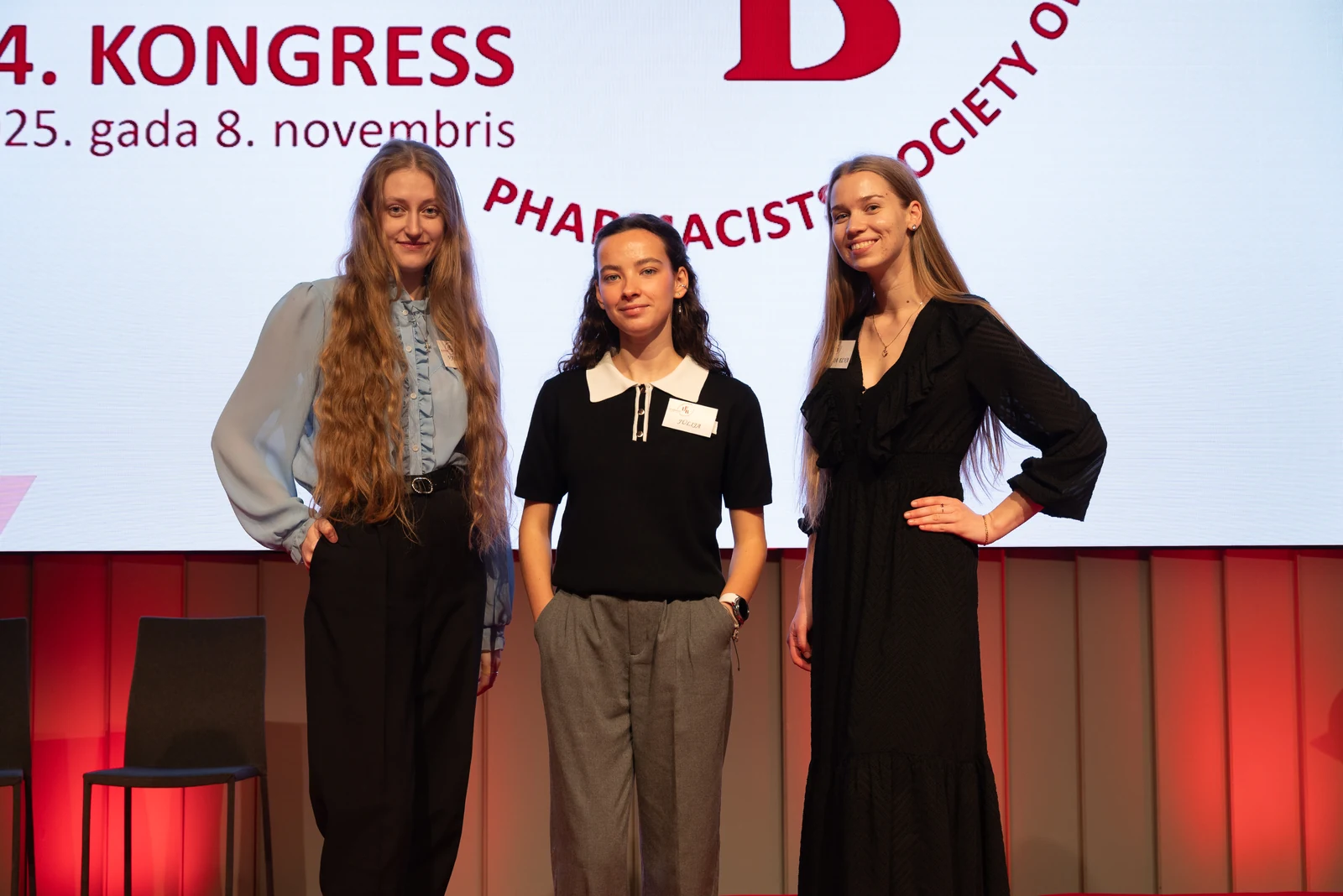
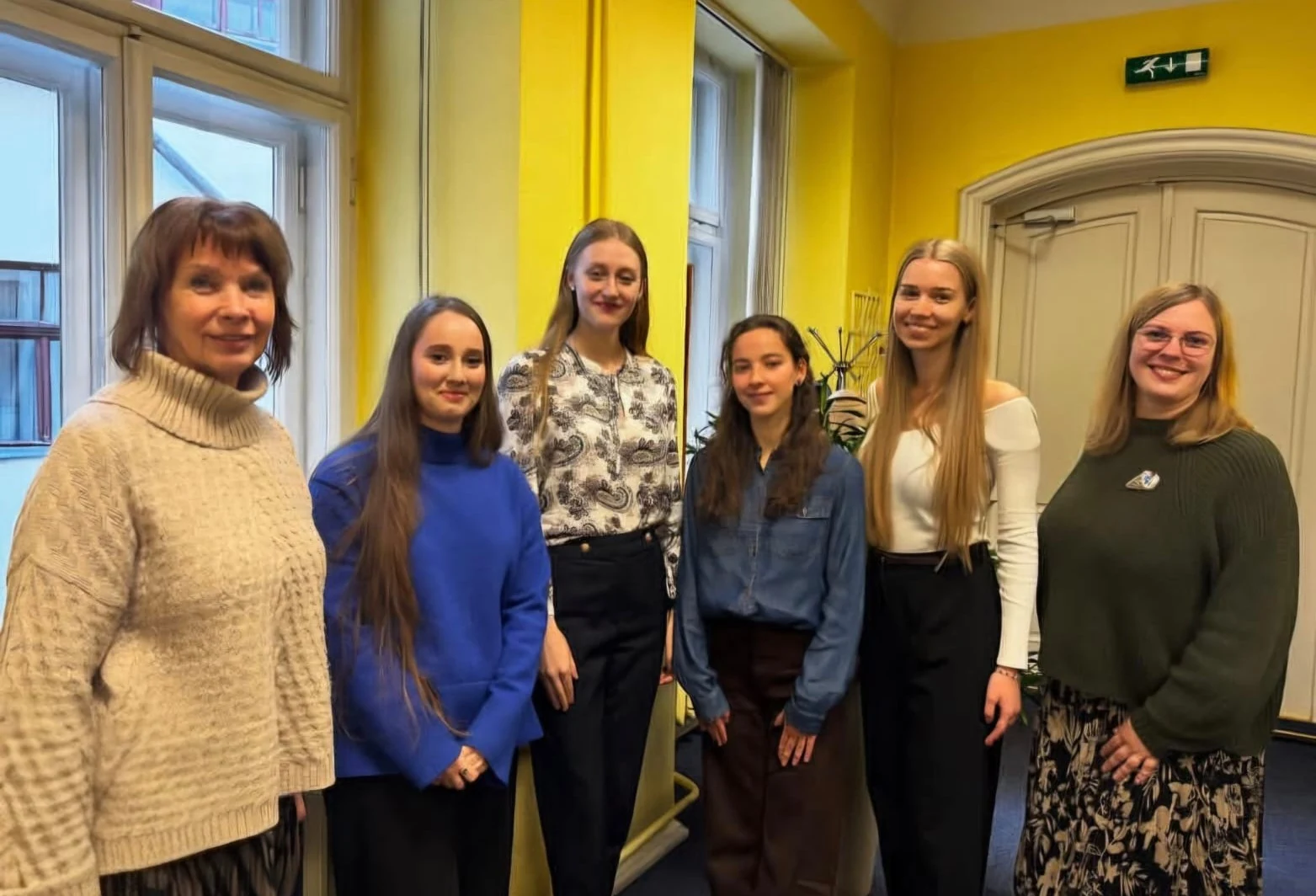
Farmaceits arvien biežāk nav tikai speciālists, kurš izsniedz zāles un izskaidro to lietošanu. Mūsdienās farmaceits kļūst arī par veselības un slimību profilakses veicinātāju un bieži vien pirmo veselības aprūpes speciālistu, pie kura pacients vēršas pēc padoma. Tieši par šo lomu - farmaceitu iesaisti sabiedrības veselībā, pacientu izglītošanā un profilaksē - daudz diskutējām visa kongresa laikā.
Pasākumā piedalījās vairāk nekā 250 farmācijas studentu no dažādām Eiropas valstīm. Nedēļas laikā programma bija ļoti intensīva, tā ietvēra simpozijus, darbnīcas, “General Assembly”, sabiedrības veselības kampaņas aktivitātes, “soft skills” treniņus, praktiskās ekskursijas, kā arī sociālo programma ik dienu. Tas nebija tikai izglītojošs pasākums, bet arī iespēja satikt studentus no citām valstīm, salīdzināt pieredzi un skatīties uz farmācijas nozari plašāk kā tikai Latvijas ietvaros.
Izglītojošajā programmā tika apskatītas ļoti dažādas tēmas. Pirmajās kongresa dienās norisinājās simpoziji par farmaceita lomu infekciju slimību profilaksē, sieviešu veselību, vēža profilaksi un sociālo mediju izmantošanu sabiedrības veselībā. Aplūkotās tēmas norādīja, cik plašas ir farmaceita darbības un izaugsmes iespējas. Farmaceitam ne tikai jāpārzina zāles, bet arī jāprot pacientiem skaidrot sarežģītu informāciju saprotamā veidā, palīdzēt atšķirt uzticamu informāciju no dezinformācijas un iesaistīties veselības veicināšanā.
Saistošas un aktuālas bija arī darbnīcas par viltotām zālēm un pacientu izglītošanu. Tās lika aizdomāties, cik viegli pacienti mūsdienās var apjukt informācijas daudzumā, īpaši tad, ja sociālajos medijos dažādi veselības padomi tiek publicēti pārliecinoši, bet bez zinātniska pamatojuma. Šādās situācijās farmaceitam ir svarīgi ne tikai pateikt, kas ir pareizi vai nepareizi, bet arī prast mierīgi un saprotami izskaidrot, kāpēc konkrētā informācija nav uzticama.
Liela nozīme kongresā bija arī sabiedrības veselības kampaņas aktivitātēm. Tajās dalībnieki ne tikai teorētiski runāja par sabiedrības veselības jautājumiem, bet arī domāja par praktiskiem veidiem, kā uzrunāt cilvēkus un padarīt veselības informāciju saprotamāku.
Kongresa laikā bija iespēja piedalīties arī profesionālās ievirzes darbnīcās par vakcināciju aptiekā, zāļu un augu preparātu mijiedarbību, farmakoterapijas analīzi, onkoloģisko pacientu farmaceitisko aprūpi, klīniskajiem pētījumiem, bioloģisko zāļu drošumu, regulatīvajiem jautājumiem un zāļu pieejamību. Šīs lekcijas un diskusijas parādīja, cik daudz dažādu virzienu iespējams izvēlēties farmācijā - no aptiekas un slimnīcas farmācijas līdz industrijai, pētniecībai un veselības politikai.
Viena no vērtīgākajām kongresa daļām bija praktiskās ekskursijas. Bija interesanti redzēt, kā farmācija un veselības aprūpe darbojas Polijā, kur attīstīta klīniskā farmācija. Dalībniekiem bija iespēja apmeklēt ar farmācijas praksi un zinātni saistītas vietas, tostarp slimnīcas aptieku, onkoloģijas centru un Farmācijas muzeju. Īpaši interesanti bija salīdzināt Latvijas situāciju ar Polijā esošo, novērtēt kā tiek organizēts darbs slimnīcas aptiekā, kā notiek zāļu aprite un sagatavošana, kā tiek nodrošināta zāļu droša lietošana un kāda ir farmaceita loma specializētās ārstniecības iestādēs.
Ne mazāk noderīgi bija “soft skills” treniņi. Apskatītās tēmas iekļāva komunikāciju ar pacientu un uzticības veidošanu. Nodarbībās bija iespēja uzlabot savas publiskās runas prasmes, sarunu strukturēšanu un spēju saglabāt mieru saspringtās situācijās. Kongresā iekļautie treniņi labi papildināja akadēmisko programmu, jo farmaceita darbs ietver spēju efektīvi sarunāties ar cilvēku, uzklausīt un izskaidrot informāciju tā, lai pacients to tiešām saprastu.
Paralēli izglītojošajai programmai norisinājās arī “EPSA General Assembly”, kurā dalībvalstu pārstāvji, tostarp arī divi Latvijas delegāti, diskutēja par organizācijas darbu, nākotnes virzieniem un Eiropas farmācijas studentu kopīgajām prioritātēm. Diskusijas ļāva labāk iepazīt, kāda ir EPSA darbības sfēra un cik nozīmīga ir studentu iesaiste starptautiskā līmenī.
Protams, kongress nebija tikai par zināšanām un praktiskām farmaceita iemaņām. Kongresa norises laikā bija iespēja iepazīt arī Polijas kultūru un pilsētu Bydgoszcz. Sociālā programma sākās ar “Opening Ceremony”, kur pirmo reizi satikām pārējos dalībniekus un ieguvām pirmo iespaidu par kongresa atmosfēru. “Polish Night” bija veidots kā tradicionāli iedvesmots poļu kāzu vakars ar mūziku, dejām, spēlēm un poļu kultūras elementiem. Savukārt “International Night” dalībnieki dalījās ar savas valsts tradicionālajiem ēdieniem, saldumiem, dzērieniem un tradīcijām, kas vienmēr ir viena no sirsnīgākajām EPSA pasākumu daļām.
“Karaoke Night” un “Gala Night” papildināja kongresa sociālo programmu un deva iespēju pēc garām un intensīvām dienām atpūsties un turpināt sarunas neformālā vidē, vēl vairāk iepazīstot cilvēkus no citām valstīm. “Gala Night” bija skaists kongresa noslēgums, tas ir svinīgs vakars ar vakariņām, dejām, noslēguma uzrunām, iespēju atskatīties uz aizvadīto nedēļu un izteikt pateicību par kopā pavadīto laiku un organizēto pasākumu.
Kādas ir mūsu biedru atziņas pēc pasākuma?
Valērija Meinardte: Dalība 46. EPSA Annual Congress man vēlreiz atgādināja, ka katrs EPSA pasākums ir pavisam īpaša pieredze. Tas nav tikai par lekcijām, darbnīcām vai jaunām zināšanām farmācijā - tas ir arī par cilvēkiem. Tā ir iespēja iepazīt studentus no dažādām Eiropas valstīm, iegūt daudz jaunu draugu un mazliet izaicināt arī pašam sevi — būt atvērtākam, iziet ārpus sava komforta burbuļa un vienkārši ļauties visam, kas notiek apkārt. Ļoti patika arī iepazīt Poliju, pastaigāt pa Bydgoszcz un, protams, pagaršot tradicionālos poļu pierogi. Mana spilgtākā atmiņa no pasākuma noteikti ir International Night, kas ir vakars, kurā katra valsts dalījās ar savu kultūru, ēdieniem un tradīcijām, un kur visvairāk varēja sajust to īsto EPSA atmosfēru. Ļoti vērtīga bija arī ekskursija uz onkoloģijas centru, kur bija interesanti redzēt, kā šādi medikamenti tiek pagatavoti un kā farmaceiti strādā šajā jomā. Kopumā šādi pasākumi patiešām paplašina redzesloku un piepilda arī personīgi - ne tikai ar jaunām zināšanām, bet arī ar cilvēkiem, pieredzēm un iedvesmu. Tāpēc es viennozīmīgi ieteiktu katram vismaz reizi doties uz kādu no EPSA organizētajiem pasākumiem!
Aleksandrs Voloncevičs: Esmu pabeidzis tikai pirmo studiju gadu, tāpēc šis bija mans pirmais EPSA pasākums. Tas bija neticami, ļoti patika pasākuma atmosfēra, kā arī lieliska iespēja apmainīties ar pieredzi un satikt farmaceitus no citām valstīm. Ļoti interesanti bija organizēts vēlēšanu process, kā arī bija interesanti klausīties lekcijas, tā sauktos “workshops” un piedalīties vakara pasākumos. Kopumā esmu ļoti priecīgs, ka izdevās piedalīties šādā foršā un neaizmirstamā pasākumā, un plānoju turpināt piedalīties EPSA organizētajos pasākumos. Šie pasākumi sniedz lielisku iespēju uzzināt par farmācijas perspektīvām Eiropā, izvēlēties konkrētu virzienu farmācijā, kā arī vienkārši labi pavadīt laiku. Liels paldies LFSA komandai par doto iespēju piedalīties un EPSA par tik labi organizēto pasākumu.
Daniela Rupeika: Dalība 46. Epsa Annual Congress bija vērtīga un iedvesmojoša pieredze. Īpaši man patika dažādās apmācības un diskusijas, kas ļāva paskatīties uz farmaceita lomu no cita skatu punkta. Viens no interesantākajiem semināriem bija “Is Your Patient Truly Educated? A pharmacist’s Guide to Patient Education”, kur tika apskatīta efektīva komunikācija ar pacientiem un tas, kā pārliecināties, ka pacients patiešām saprot sniegto informāciju par savu terapiju. Šī bija ļoti prakstiska un noderīga nodarbība, kuru noteikti vajag izmantot ikdienās darbā.
Tāpat man ļoti patika Work Café sesija, kur mēs diskutējām par problēmām, kas rodas, ja praksē tiek izmantotas novecojušas vadlīnijas vai informācijas, kā arī par to, kā tas var ietekmēt pacientu aprūpes kvalitāti. Kopā ar studentiem no dažādām valstīm meklējām iespējamos risinājumus un apspriedām, cik svarīgi ir regulāri atjaunināt profesionālās zināšanas un izmantotos materiālus. Man patika tieši šīs sesijas interaktīvais formāts, jo tas deva iespēju ne tikai dalīties savu viedokli, bet arī dzirdēt citu valstu studentu pieredzi un skatījumu uz šo problēmu.
Kā vienai no LFSA oficiālajiem delegātiem man bija iespēja ne tikai piedalīties kongresa aktivitātēs, bet arī sekot līdzi EPSA vēlēšanām un organizācijas nākotnes plānu veidošanai. Bija interesanti klaisīties kandidātu prezentācijas, viņu idejas un redzējumu par EPSA attīstību nākamajos gados. Vēlēšanu process ļāva labāk izprast, kā darbojas starptautiska farmācijas studentu asociācija un cik nozīmīga ir studentu iesaiste tās attīstībā.
Jūlija Kirčenko:
Dalība EPSA pasākumos vienmēr ir lieliska iespēja kvalitatīvi un efektīvi uzzināt jaunāko informāciju par farmācijas nozares aktualitātēm, vienlaikus pavadot laiku cilvēku vidū, kuri patiesi deg par farmāciju. Arī EPSA 46. Annual Congress nebija izņēmums. Nedēļas garumā man bija iespēja iesaistīties mācību sesijās, kurās tika aktualizētas būtiskas tēmas par farmaceita lomu un iesaisti pacientu veselības veicināšanā – ne tikai caur zālēm un to izsniegšanu, bet arī caur pacientu informēšanu, uzklausīšanu, iejušanos, apmācīšanu un RUNĀŠANU. No vairākām kongresa sesijām kļuva skaidrs, ka farmaceitam jābūt ne vien savas jomas profesionālim, bet arī pacienta skolotājam, kurš spēj izskaidrot un parādīt, kā rūpēties par savu veselību, un reizē – psihologam, kurš prot uzklausīt un saprast, kas pacientam patiesībā ir vajadzīgs.
Kongresa laikā, protams, bija iespēja apmainīties ar kontaktiem un sarunāties ar jauniem farmaceitiem no dažādām valstīm. Šī pieredze lika iziet no savas komforta zonas un izaicināt sevi, taču tā bija 100% vērtīga – ieguvu daudz jaunu zināšanu par farmācijas jomu no dažādu valstu studentu perspektīvas. Svarīgi ir tas, ka, lai arī starp valstīm pastāv atšķirības farmācijas jomā, ir arī daudz līdzību. Mēs, studenti, visi saskaramies ar līdzīgām problēmām: prakses un praktisko iemaņu trūkumu, nepietiekamu sagatavotību saziņai ar pacientiem pirms nonākšanas farmaceita darba vidē, komunikācijas prasmju nepilnībām un mācību programmu neatbilstību tam, kas patiesībā notiek farmaceita ikdienas darbā.
Runājot par spilgtākajiem kongresa notikumiem – viena no iespaidīgākajām pieredzēm bija iespēja apmeklēt slimnīcas farmācijas nodaļu. Tur ieguvu ne tikai teorētiskas zināšanas, bet arī praktisku pieredzi: pirmo reizi gatavoju parenterālos maisījumus un tiešām sajutu, kā ir strādāt ar rokām. Tāpat pirmoreiz piedalījos EPSA vēlēšanās. Process bija nogurdinošs un ilgstošs, taču ļoti vērtīgs – tas ļāva saprast EPSA darba mehānismus, to, par ko domā citu valstu studentu asociācijas, un kādā virzienā būtu jāattīstās arī LFSA. Un, protams, viens no sirsnīgākajiem brīžiem bija vakara pastaigas pa mazo, bet skaisto Bugdošu kopā ar kolēģiem – tas bija vienkārši amazing labi.
P. S. Pierogi Polijā ir neticami garšīgi!
Linda Elva Andersone: Dalība kongresā paplašina redzesloku par farmācijas nozares attīstību Polijā un ļauj mācīties no Polijas kolēģu pieredzes un ieviestajiem risinājumiem. Tas ir jauns zināšanu apvārsnis, izmēģināt klīniskajā farmācijā izmantoto instrumentāriju, pareizi uzvilkt darba apģērbu, kuru izmanto strādājot ar citostatiskiem medikamentiem. Semināru laikā bija iespēja uzklausīt Polijas kolēģu aktuālās izmaiņas un cīņu par farmaceitisko aprūpi, mācīties diskutēt un aizstāvēt savu viedokli ar iegūtajām zināšanām un faktiem balstītā pieredzē. Kongress ir vieta, kur vienoties kopīgos mērķos, iedvesmoties labākai studentu asociācijas uzlabošanai, rast iespējas savas karjeras un prasmju pilnveidošanai, veidot jaunas un nozīmīgas draudzības un dalīties par studiju un prakses iespējām ar kolēģiem no visas Eiropas. Papildus iegūtajām zināšanām, ir iespēja iepazīt valsts kultūru un apskatīt pilsētā nozīmīgākās infrastruktūras un tūristu ievērības cienīgus objektus. Tā ir vērtīga, uz attīstību vērsta pieredze, kuru iesaku izbaudīt un iegūt ikkatram farmācijā studējošajam!
Raksts no žurnāla (2026/6) Materia Medica
A pharmacist is increasingly not only a specialist who dispenses medicines and explains their use. Today, the pharmacist is becoming a promoter of health and disease prevention, and often the first healthcare professional a patient turns to for advice. Throughout the congress, we discussed this role extensively – pharmacists’ involvement in public health, patient education, and prevention.
More than 250 pharmacy students from various European countries participated in the event. The week-long programme was very intensive, including symposia, workshops, the General Assembly, public health campaign activities, soft-skills trainings, practical excursions, and a daily social programme. It was not only an educational event but also an opportunity to meet students from other countries, compare experiences, and view the pharmaceutical field more broadly than just within Latvia.
The educational programme covered a wide range of topics. During the first days, symposia focused on the pharmacist’s role in infectious disease prevention, women’s health, cancer prevention, and the use of social media in public health. These topics highlighted how broad the pharmacist’s scope of practice and growth opportunities truly are. A pharmacist must not only know medicines but also be able to explain complex information clearly, help patients distinguish reliable information from misinformation, and engage in health promotion.
Equally engaging and relevant were the workshops on falsified medicines and patient education. They prompted reflection on how easily patients can become confused by the sheer volume of information available today, especially when health advice on social media is presented convincingly but without scientific basis. In such situations, it is important for pharmacists not only to state what is right or wrong, but also to calmly and clearly explain why certain information is not trustworthy.
Public health campaign activities also played a significant role in the congress. Participants not only discussed public health issues theoretically but also explored practical ways to reach people and make health information more understandable.
During the congress, there was also the opportunity to participate in professional workshops on vaccination in pharmacies, interactions between medicines and herbal products, pharmacotherapy analysis, pharmaceutical care for oncology patients, clinical trials, the safety of biological medicines, regulatory affairs, and medicine accessibility. These lectures and discussions demonstrated how many different directions one can pursue in pharmacy – from community and hospital pharmacy to industry, research, and health policy.
One of the most valuable parts of the congress was the practical excursions. It was fascinating to see how pharmacy and healthcare operate in Poland, where clinical pharmacy is well developed. Participants had the opportunity to visit places related to pharmaceutical practice and science, including a hospital pharmacy, an oncology centre, and the Pharmacy Museum. It was particularly interesting to compare the situation in Latvia with that in Poland, to observe how work is organised in a hospital pharmacy, how medicines are circulated and prepared, how safe medicine use is ensured, and what role pharmacists play in specialised healthcare institutions.
The soft-skills trainings were no less useful. Topics included patient communication and building trust. The sessions offered opportunities to improve public speaking, structuring conversations, and maintaining composure in stressful situations. These trainings complemented the academic programme well, as a pharmacist’s work requires effective communication, attentive listening, and the ability to explain information in a way that patients truly understand.
Parallel to the educational programme, the EPSA General Assembly took place, where representatives of member countries, including two delegates from Latvia – discussed the organisation’s work, future directions, and shared priorities of European pharmacy students. The discussions provided deeper insight into EPSA’s scope and the importance of student involvement at the international level.
Of course, the congress was not only about knowledge and practical pharmaceutical skills. During the event, there was also the opportunity to experience Polish culture and explore the city of Bydgoszcz. The social programme began with the Opening Ceremony, where we met other participants for the first time and gained an initial impression of the congress atmosphere. Polish Night was designed as a traditional Polish wedding-inspired evening with music, dancing, games, and cultural elements. Meanwhile, during International Night, participants shared traditional foods, sweets, drinks, and customs from their countries – always one of the warmest parts of EPSA events.
Karaoke Night and Gala Night enriched the social programme and offered the chance to relax after long and intensive days, continue conversations in an informal setting, and get to know people from other countries even better. Gala Night was a beautiful conclusion to the congress – a festive evening with dinner, dancing, closing speeches, reflections on the week, and expressions of gratitude for the time spent together and the well-organised event.
What were our members’ reflections after the event?
Valērija Meinardte: Participating in the 46th EPSA Annual Congress reminded me once again that every EPSA event is a truly special experience. It is not only about lectures, workshops, or new knowledge in pharmacy , it is also about people. It is an opportunity to meet students from different European countries, make new friends, and challenge yourself a little – to be more open, step outside your comfort zone, and simply embrace everything happening around you. I really enjoyed discovering Poland, walking around Bydgoszcz, and of course tasting traditional Polish pierogi. My most vivid memory is definitely International Night, where each country shared its culture, food, and traditions – the moment when you can feel the true EPSA atmosphere. The excursion to the oncology centre was also very valuable, as it was fascinating to see how such medicines are prepared and how pharmacists work in this field. Overall, these events truly broaden your perspective and enrich you personally not only with new knowledge but also with people, experiences, and inspiration. I would absolutely recommend everyone to attend at least one EPSA event!
Aleksandrs Voloncevičs: I have completed only my first year of studies, so this was my first EPSA event. It was incredible! I really enjoyed the atmosphere, as well as the great opportunity to exchange experiences and meet pharmacists from other countries. The election process was very interesting, and I enjoyed attending lectures, workshops, and evening events. Overall, I am very happy that I had the chance to participate in such a wonderful and unforgettable event, and I plan to continue attending EPSA events. These events provide an excellent opportunity to learn about pharmacy perspectives in Europe, choose a specific direction in pharmacy, and simply have a great time. Many thanks to the LPSA team for the opportunity and to EPSA for organising such a well-structured event.
Daniela Rupeika: Participating in the 46th EPSA Annual Congress was a valuable and inspiring experience. I especially enjoyed the various trainings and discussions that allowed me to view the pharmacist’s role from a different perspective. One of the most interesting seminars was “Is Your Patient Truly Educated? A Pharmacist’s Guide to Patient Education”, which focused on effective patient communication and how to ensure that patients truly understand the information about their therapy. This was a very practical and useful session that should definitely be applied in everyday work.
I also enjoyed the Work Café session, where we discussed problems that arise when outdated guidelines or information are used in practice, and how this can affect the quality of patient care. Together with students from different countries, we explored possible solutions and discussed the importance of regularly updating professional knowledge and materials. I particularly liked the interactive format, which allowed not only sharing my own views but also hearing the experiences of students from other countries.
As one of LPSA’s official delegates, I had the opportunity not only to participate in congress activities but also to follow EPSA elections and the development of future plans. It was interesting to listen to candidate presentations, their ideas, and their vision for EPSA’s development in the coming years. The election process provided a deeper understanding of how an international pharmaceutical student association operates and how important student involvement is in shaping its future.
Jūlija Kirčenko: Participation in EPSA events is always a great opportunity to learn high-quality and up-to-date information about developments in the pharmaceutical field while spending time among people who are truly passionate about pharmacy. The EPSA 46th Annual Congress was no exception. Throughout the week, I took part in learning sessions that highlighted essential topics about the pharmacist’s role in promoting patient health not only through medicines and dispensing but also through informing, listening, empathising, educating, and communicating. From several congress sessions, it became clear that a pharmacist must be not only a professional in their field but also a teacher who can explain and show how to care for one’s health, and at the same time a psychologist who can listen and understand what the patient truly needs.
Naturally, the congress also offered opportunities to exchange contacts and talk with new pharmacists from different countries. This experience pushed me out of my comfort zone and challenged me, but it was absolutely worth it; I gained a lot of new knowledge about pharmacy from the perspective of students in other countries. Importantly, although differences exist between countries, there are also many similarities. We, students, all face similar challenges: lack of practical training, insufficient preparation for patient communication before entering the workplace, gaps in communication skills, and study programmes that do not fully reflect real-life pharmacy practice.
Speaking of the most memorable moments , one of the most impressive experiences was visiting the hospital pharmacy department. I gained not only theoretical knowledge but also practical experience: for the first time, I prepared parenteral mixtures and truly felt what it is like to work with my hands. I also participated in EPSA elections for the first time. The process was long and tiring, but very valuable; it helped me understand EPSA’s working mechanisms, what student associations in other countries are thinking about, and in which direction LPSA should also develop. And of course, one of the warmest moments was evening walks through the small but beautiful Bydgoszcz with colleagues simply amazingly good. P.S. Pierogi in Poland are unbelievably delicious!
Linda Elva Andersone: Participation in the congress broadens one’s perspective on the development of the pharmaceutical sector in Poland and allows learning from the experience and solutions implemented by Polish colleagues. It is a new horizon of knowledge trying out tools used in clinical pharmacy, properly putting on protective clothing used when working with cytostatic medicines. During the seminars, there was an opportunity to hear about current changes and the fight for pharmaceutical care in Poland, to learn to discuss and defend one’s opinion using acquired knowledge and evidence-based experience. The congress is a place to unite around common goals, gain inspiration for improving student associations, find opportunities for career and skill development, build new meaningful friendships, and share study and practice opportunities with colleagues from across Europe. In addition to the knowledge gained, there is also the chance to explore the country’s culture and visit important infrastructure and tourist sites in the city. It is a valuable, development-oriented experience that I recommend every pharmacy student to enjoy and acquire.
Article from the magazine (2026/6) Materia Medica